Are We Preparing Science Literate Citizens?
- Admin

- Apr 14, 2019
- 3 min read
Over the past few years I have grown concerned over the lack of teaching of #science #literacy. Having students of mine complete scientific practicums with atrocious level of literacy. Being literate is one thing however science literacy is a whole different level.

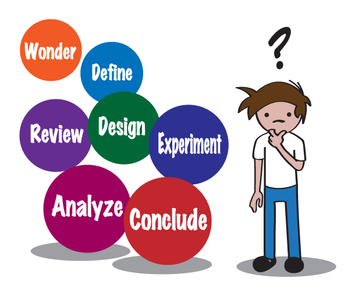
The real Issue-
The first issue is from my internship with CSIRO, which I completed between my bachelors and honours degrees. After reading multiple published articles I was expected to go into a lab, unsupervised, and continue this work. This highlighted many deficits in scientific literacy.
1- I found it extremely difficult to interpret what was being asked from me in regards to the articles I had read. This was a skill that we were not given any practice in during my degree. Now being in research I can see this is a major shortcoming of all science degrees offered in Australia. Graduates are unable to interpret the current forms of communication, meaning either we are teaching them wrong, or we are communicating wrong.
2- It highlighted the, for lack of a better term, garbage, that was able to be published. The papers were essentially plagiarised, and the general literacy within them was to a poor standard. I think this can be largely attributed to the misconception that once out of secondary education students' no longer need to worry about English skills.
As a demonstrator, I am responsible for the conduct of the labs (a whole other story of incompetence in teaching), and the marking and feedback of the laboratory submissions. One factor which highlights tertiary level disregard for literacy standards within science is the weighting of the lab submissions. In many cases, each submission (of which there are generally 10) is worth 1% of the total mark of the course. This is something almost every scientist will have to do, and do well, but we only weight it at 1%. It is appalling. Another is the rate at which we get paid, 1 hour of marking per 3 hour lab. to provide feedback, and mark with any form of judgement, it takes a minimum of 3 hours per 3 hour lab. This is a financial representation of the emphasis tertiary institutes put on the quality of feedback the students receive.
The final major point is the quality of work that is submitted. I hold my students to a 'high standard', as most other teachers give marks out for 'close attempts' to avoid any followup. This is not acceptable of any education facility. Students at second year have generally never drawn up a proforma, or written any form of practical write up in their education. This is a serious concern for the future of science.

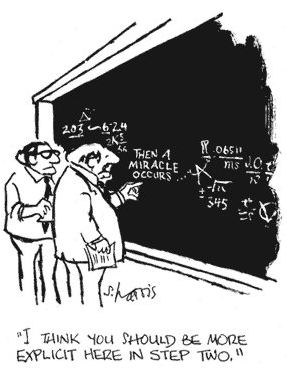
The Curriculum Flaws-
These two experience, always made me sceptical of the way scientific literacy was being taught. How could I, or my students, get through a degree without knowing my above points?
Going through the curriculum, the outright literacy links often only say:
Word Knowledge
· Understand learning area vocabulary
Grammar knowledge
· Use knowledge of words and word groups
· Use knowledge of sentence structures
Comprehending texts through listening, reading and viewing
· Navigate, read and view learning area texts
Composing texts through speaking, writing and creating
· Compose spoken, written, visual and multimodal learning area texts.
How is this directly related to becoming scientifically literate? It is merely reinforcing the literacy taught in English and Language classes. This is extremely broad in my opinion, and doesn't actually provide any information on how to access the literacy in each area. It would be better practice to sit down with a group of practising scientist from each discipline (bio, chem, phys), and group the common literacy requirements of a literate scientist. How do scientist communicate? What style of language is commonly accepted? what is the generic level of scientific knowledge considered? How do you comprehend each difference scientific style of communication? Comprehension on a general literacy standard is very different from comprehension on a scientific standard. I can read a scientific text and understand the words, but do I understand the implications of those words? Knowledge of words and word groups is so very different for a scientist. Some of the words I consider to be common knowledge would be very foreign to someone who is literate but has no scientific training.

Comments